For Transportation Professionals and Directors
- lmichaelprior059
- Nov 30, 2025
- 3 min read
Updated: Apr 5
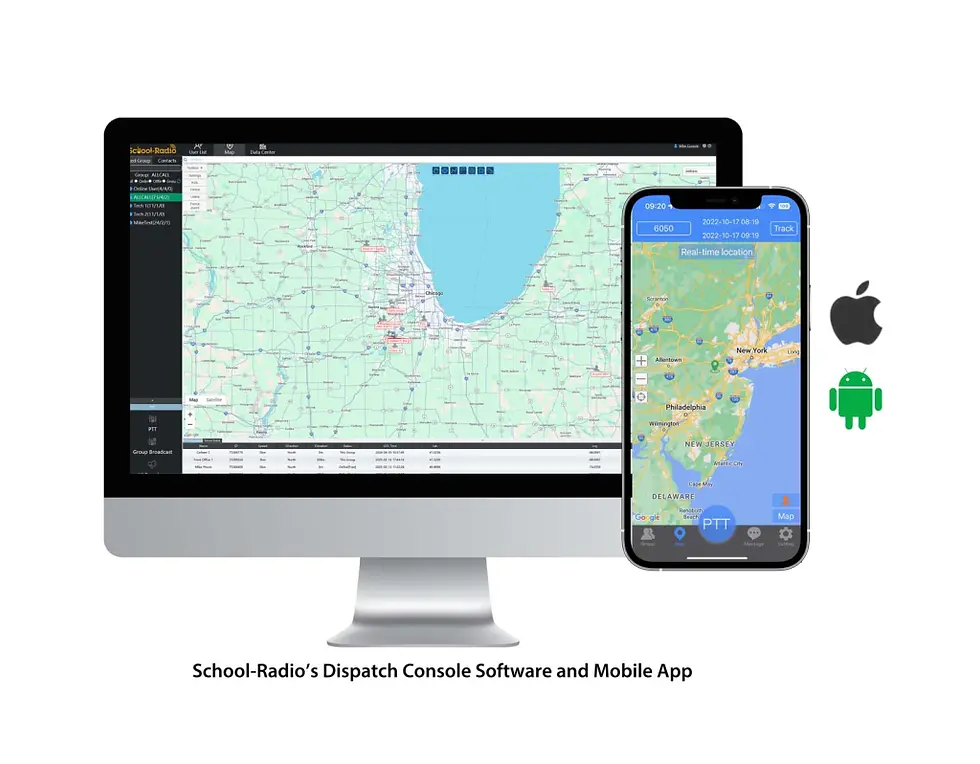
Effective and efficient communication within the school transportation system is critical for a multitude of reasons that directly impact the safety, reliability, and overall experience of students, parents, and school staff. The transportation system is not just a means of getting students from one location to another; it is a vital component of the educational infrastructure that requires precise coordination and clear messaging among all stakeholders involved.
### Ensuring Student Safety
One of the primary reasons effective communication is essential is to ensure the safety of students. Clear communication protocols must be established to inform drivers, school officials, and parents about any changes in routes, delays, or emergencies. For instance, if a bus is running late due to unforeseen circumstances such as traffic congestion or weather conditions, timely updates can prevent parents from worrying and help them make necessary arrangements for their children. By employing various communication channels, such as text alerts, emails, and mobile apps, schools can keep everyone informed in real time, thereby enhancing student safety.
### Coordination Among Stakeholders
The school transportation system involves multiple stakeholders, including school administrators, transportation staff, drivers, parents, and students themselves. Effective communication fosters better coordination among these groups, ensuring that everyone is on the same page regarding schedules, policies, and expectations. Regular meetings and updates can help maintain a cohesive understanding of the transportation system's operations, enabling staff to address any issues proactively. For example, transportation coordinators can communicate directly with bus drivers to discuss route efficiency, student behavior on buses, and any potential safety concerns that may arise.
### Enhancing Parental Involvement
Parents play a crucial role in the school transportation system, and effective communication can significantly enhance their involvement. By providing parents with clear and accessible information regarding transportation policies, schedules, and expected behaviors, schools can foster a collaborative environment. This can include sending out newsletters, hosting informational sessions, or creating dedicated online portals where parents can access important updates. When parents are well-informed, they are more likely to engage positively with the school, ensuring that their children understand and adhere to the rules and procedures of the transportation system.
### Improving Operational Efficiency
Efficient communication also contributes to the operational efficiency of the school transportation system. By streamlining communication processes, schools can reduce the likelihood of misunderstandings and mistakes that could lead to delays or logistical challenges. For instance, if a bus driver encounters an issue, such as a mechanical failure, having a clear line of communication can facilitate quick responses, whether it involves rerouting another bus or contacting maintenance staff. Additionally, effective communication tools can help in scheduling, allowing for better resource allocation and minimizing downtime.
### Building Trust and Transparency
Finally, effective communication builds trust and transparency within the school transportation system. When stakeholders feel informed and included in the decision-making processes, they are more likely to trust the system and its operators. Schools should strive to maintain open lines of communication, encouraging feedback and suggestions from parents, students, and staff. This not only helps in identifying areas for improvement but also fosters a sense of community and shared responsibility for the well-being of students.
In conclusion, effective and efficient communication within the school transportation system is not merely an operational necessity; it is a foundational element that enhances safety, coordination, parental involvement, operational efficiency, and trust among all stakeholders. By prioritizing communication strategies and tools, schools can create a more effective transportation system that ultimately benefits everyone involved.


Comments